All Categories
Featured

Personal bankruptcy is a scary idea to lots of, but for those caught in difficult financial scenarios that include heavy financial obligation, insolvency can also be a feasible choice to get a new start. Bankruptcy is often caused by financial hardship. Those filing simply can't pay for to deal with unanticipated significant expenses, such as medical costs.
Step-By-Step 2026 Bankruptcy Support:max_bytes(150000):strip_icc()/when-declare-bankruptcy.asp_final-dee86ed091424fbead478b44f98860b2.png)
Peaks in bankruptcy petitions normally represent economic decline, and states with less consumer-friendly laws typically have a higher rate of filings. Consumers might consider financial obligation consolidation alternatives financial obligation management strategies, debt consolidation loans and debt settlement as options to prevent declare insolvency. Bankruptcy filings dropped throughout the pandemic as federal aid assisted individuals pay their expenses.
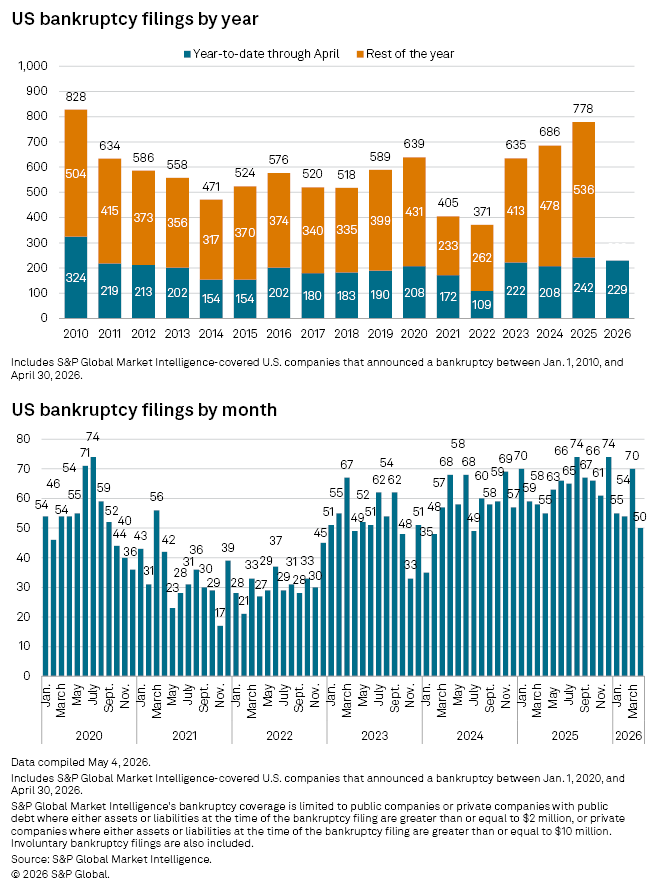
There were 574,314 bankruptcy cases submitted in 2025, including both individual and company cases, according to U.S. Personal bankruptcy Courts stats. That's an 11% increase from the 517,308 submitted in 2024 and a 26.8% increase from the 452,990 submitted in 2023. In 2022, 387,721 insolvencies were submitted in the U.S. The total numbers stay listed below pre-pandemic levels, but the consistent boost shows continued monetary pressure on households and organizations.
Preventing Wage Garnishment Through 2026 Bankruptcy ReliefCalculating 2026 Bankruptcy Fees
Courts information, which covers the 12-month period ending March 31, 2026, shows the trend continued into 2026. For the 12-month duration ending March 31, 2026, insolvency filings increased to 591,850, an 11.9% boost from 529,080 during the year ending March 31, 2025. Business filings increased to 25,960, while nonbusiness filings increased to 565,890.
"Debt loads are broadening as the rates of products and services have increased with inflation and the cost of loaning continues to rise. While pandemic relief efforts have mainly ended, the safe house of bankruptcy is continuously available for financially distressed businesses and customers." Bankruptcy filings hit an all-time high in 2005, with more than 2 million cases.
The following year, bankruptcy filings dipped to about 600,000, the least expensive point in 20 years at the time. The decrease followed the Personal bankruptcy Abuse Avoidance and Consumer Security Act of 2005 (BAPCPA) was enacted. It made major modifications to the insolvency code, including introducing the ways test for Chapter 7 filings.
The last several years show the remaining effect of the pandemic and how relief aid helped reduce filings, followed by a stable rebound as relief programs expired and household debt pressures increased. In 2019, the year before COVID, there were 774,940 filings. By 2020, filings had actually dropped 30%. Filings fell once again in 2021 and 2022, then rose in 2023, 2024 and 2025.
Courts Bankruptcy filings can be individual or business-related. Individual filings occur when a person can not pay their bills and is overloaded with financial obligation. Company filings take place when a business is in a monetary bind, be it a large retail outlet or a mom-and-pop shop. The large majority of bankruptcies are submitted by customers and not by organizations.
Repairing Personal Score After Bankruptcy
In 2025, service filings accounted for about 4.3% of all insolvency cases. Here's an appearance at the number of company vs. individual insolvencies over the previous 8 years. Bankruptcy Filings the Last 8 Years Service Non-business Overall 24,737 549,577 574,314 23,107 494,201 517,308 18,926 434,064 452,990 13,481 374,240 387,721 14,347 399,269 413,616 21,655 522,808 544,463 22,780 752,160 774,940 22,232 751,186 773,418 Source: U.S.
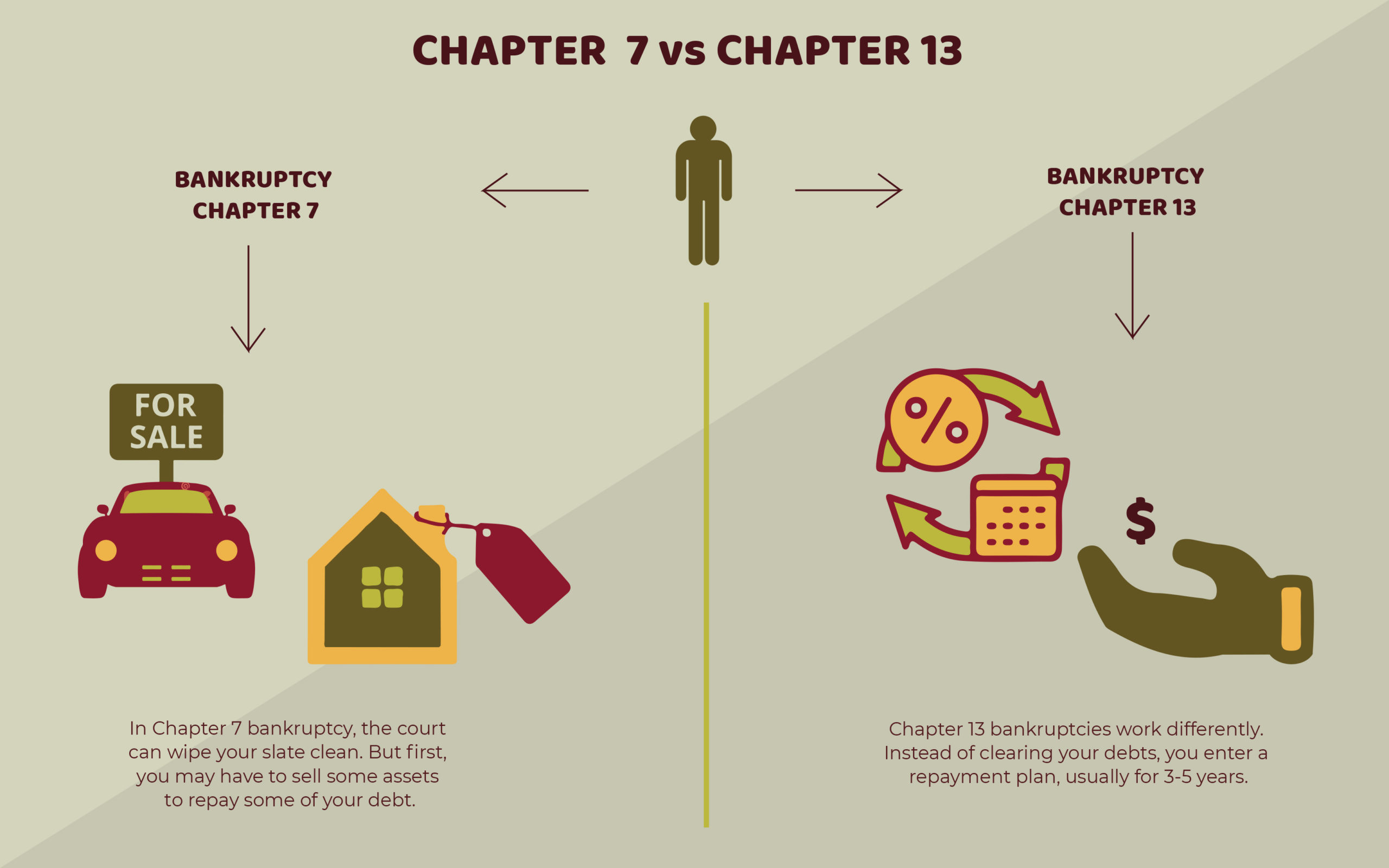
The majority of personal insolvencies are Chapter 7 or Chapter 13; most services file Chapter 7 or Chapter 11, but all three can be utilized in either case, depending on the financial circumstances of the individual or business. In Chapter 7, unnecessary properties are offered (for the most part, this does not include your house) and the money raised is utilized to discharge debts.

A small business is more most likely to submit Chapter 7 than Chapter 11. Chapter 11 allows a business to continue operating as its lenders are paid and it is rearranged.
It's often utilized by individuals whose debt is too expensive for Chapter 13 (think pro professional athletes and motion picture stars). The objective of any bankruptcy is to have debts discharged, which gives you a new start to best your monetary ship. Here is an appearance at the number of insolvencies by many typical chapters in the previous 8 years: YEAR Chapter 7 Chapter 11 Chapter 13 342,465 personal14,259 business 542 personal8,659 service 206,570 personal1,319 service 298,049 personal12,582 company 428 personal8,456 business 195,724 personal1,520 organization 251,048 personal10,229 service 386 personal7,070 organization 182,630 personal1,326 business 217,727 personal7,728 service 453 personal4,465 company 156,060 personal1,027 business 279,649 personal8,678 business 470 personal4,366 company 119,150 personal852 service 367,034 personal11,919 business 547 personal7,786 business 155,227 personal1,150 business 465,991 personal14,215 business 968 personal6,052 organization 285,201 personal1,778 business 461,897 personal13,678 service 1,017 personal6,078 company 288,272 personal1,874 company Source: U.S.With an estimated population of about 11.3 million, Georgia had approximately 285 insolvency filings per 100,000 residents. At the other end of the spectrum, Alaska had among the fewest filing overalls in 2025, with 244. With an estimated population of about 737,000, the state had about 33 personal bankruptcy filings per 100,000 residents.

Latest Posts
Steps for Filing the Bankruptcy Claim in 2026
Serious Legal Impacts of 2026 Bankruptcy
Reviewing Chapter 7 and 13 Laws for 2026