All Categories
Featured


Valuable Tips for Bankruptcy in 2026
An executory agreement is one where both sides still have substantial commitments left to carry out. To put it simply, neither celebration has completely finished what they agreed to do. Common examples of executory contracts in a company context include: Equipment leases Supply and vendor contracts Service agreements Software application licenses Commercial property leases These are the types of arrangements that frequently end up being crucial when a company files for insolvency.
365, when a service declare insolvency, it acquires the right to either presume or decline its executory agreements. That choice has significant consequences for everyone involved. Presuming an agreement suggests business consents to continue following it going forward. Rejecting a contract indicates the organization ignores it.

The other celebration to the agreement does not get to decide whether the contract is presumed or rejected. Their rights depend completely on which course the debtor takes. Chapter 11 is a reorganization personal bankruptcy. The objective is to keep the company alive while reorganizing its financial obligations. That is why there is a lot more flexibility in how contracts are dealt with in Chapter 11 than in a liquidation.
Under 11 U.S.C. 365, the choice can typically be made at any point before the court confirms the reorganization plan. The other party to the agreement can ask the court to set a deadline if the uncertainty is causing them harm. If business chooses to presume an agreement in Chapter 11, it should do so in complete.
Long-Term Consequences of 2026 Bankruptcy365(b), this suggests treating any missed out on payments or defaults, compensating the other party for any losses brought on by those defaults, and offering sufficient guarantee that it can perform going forward. The organization can not choose the parts of an agreement it likes while rejecting the rest. Chapter 7 is a liquidation bankruptcy.
Managing Bankruptcy Statutes for 2026
Under 11 U.S.C. 365(d)( 1 ), in a Chapter 7 case, the trustee has 60 days from the date of submitting to decide whether to assume an executory agreement. If the trustee does not assume the agreement within that window, it is instantly considered declined.
When an agreement is rejected in Chapter 7, the other party is once again entrusted to a basic unsecured claim versus the insolvency estate. In a liquidation, those claims are frequently paid really little or absolutely nothing at all, depending on how much is left after secured lenders are paid. Lots of company contracts include stipulations that say the contract automatically ends or can be ended if one party declare insolvency.
Company owner and their agreement partners typically assume these provisions will safeguard them. Under 11 U.S.C. 365(e), ipso facto clauses are usually not enforceable in bankruptcy. An agreement can not just be terminated even if a personal bankruptcy was filed. This guideline exists to give the debtor a sporting chance to choose whether to assume or decline the contract without the opposite ending immediately.
Attorney Vicky Fealy is Board-Certified in Consumer Insolvency Law by The Texas Board of Legal Specialization. She has helped thousands of people and services with debt relief, and she is prepared to direct you through every action.
Long-Term Consequences of 2026 Bankruptcy(Article Updated Jan. 6 and 8, 2026) This short article notes federal and state consumer law changes scheduled to go into effect or end throughout the duration from December 1, 2025, through January 1, 2027. Other consumer law modifications will be enacted in 2026 and will go into effect in 2026; this post notes modifications whose efficient dates have actually already been set up since December 31, 2025.
Legal Requirements to File in 2026
NCLC motivates readers to send (to) additional customer law modifications reliable in 2026, especially changes in state consumer legislation. NCLC will include suitable submissions to this short article. Crucial modifications to Personal bankruptcy Rule 3002.1 and six related new personal bankruptcy types went into effect on December 1, 2025. The modifications safeguard homeowners who use chapter 13 personal bankruptcies to ward off foreclosures and keep themselves present on their mortgages, providing them info required to successfully finish a cure plan and emerge from chapter 13 without surprise, undisclosed fees, or payment quantities due.
New Guideline 8006(g) will clarify that any party to an appeal might file a request that a court of appeals authorize a direct appeal. 26 U.S.C. 108(a) provides that certain forgiveness on a home mortgage loan is ruled out income for income tax purposes, but the Qualified Principal Home Insolvency Exemption from Earnings ended at the end of 2025.

Latest Posts
Steps for Filing the Bankruptcy Claim in 2026
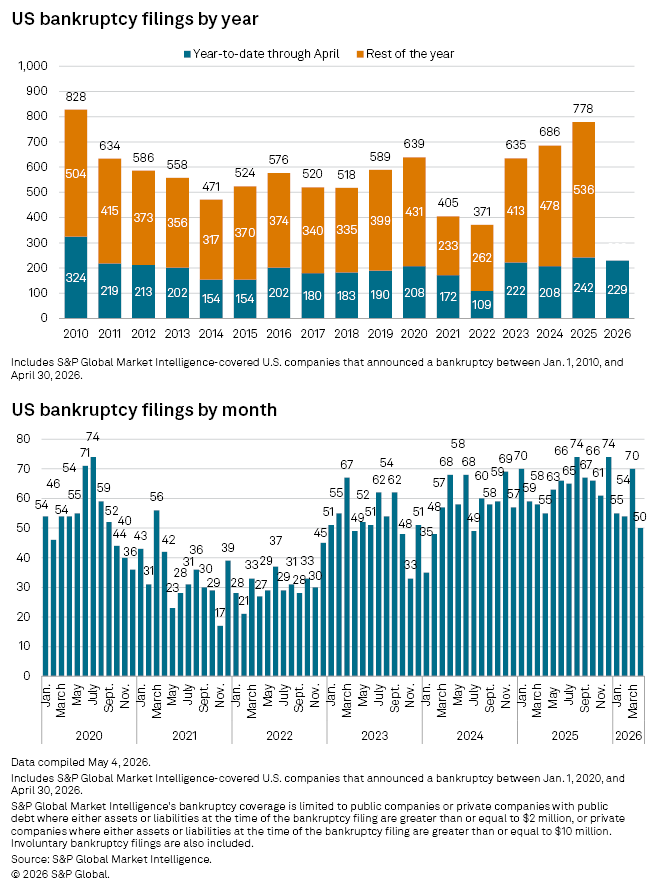
Serious Legal Impacts of 2026 Bankruptcy
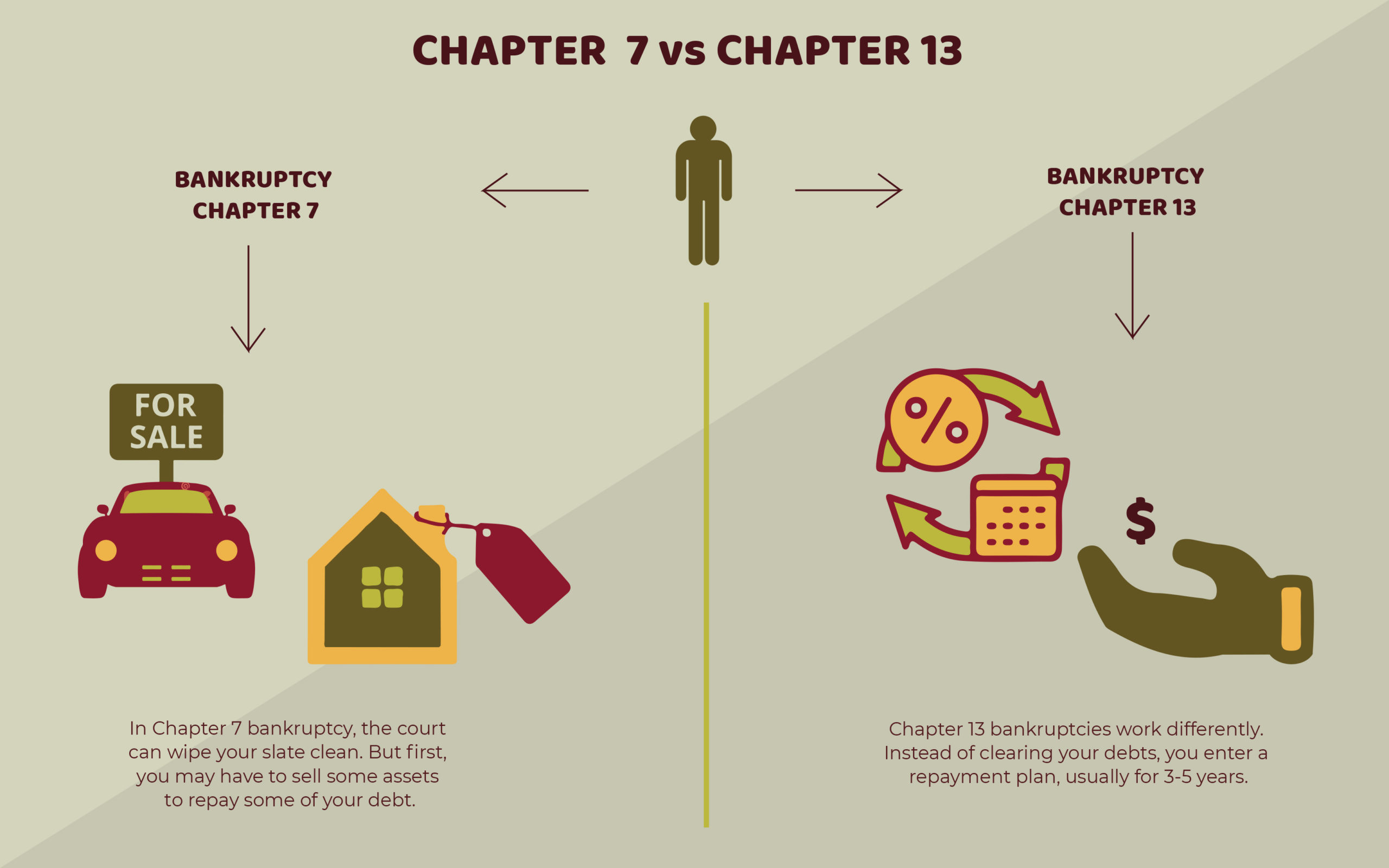
Reviewing Chapter 7 and 13 Laws for 2026