All Categories
Featured


Serious Financial Impacts of 2026 Bankruptcy
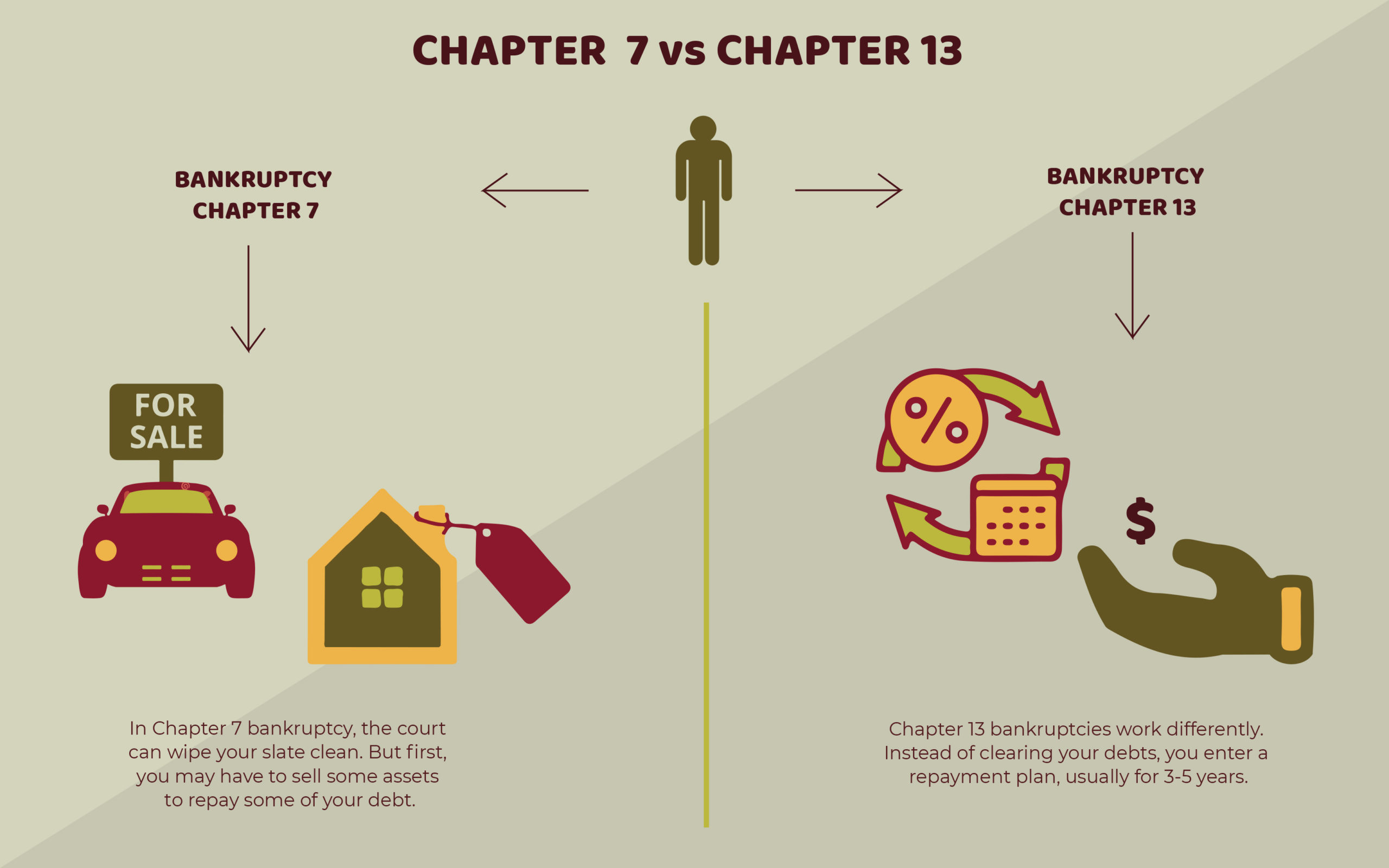
In Chapter 7, the trustee takes a look at your assets and compares their equity to the exemptions you declare. Equity is the value of the residential or commercial property minus what you owe on it. If your equity in a home, car, or other home is completely covered by exemptions, the trustee typically leaves that property alone.
That analysis frequently determines whether Chapter 7 is safe for somebody with built-up equity in Michigan property or a paid-off car. In Chapter 13, exemptions still matter, however in a various way. Instead of selling non-exempt residential or commercial property, the law typically needs that unsecured lenders get a minimum of as much through your plan as they would have received if you submitted Chapter 7 and your non-exempt properties were sold.
A Michigan property owner with equity above the homestead exemption might pick Chapter 13, make a higher month-to-month payment for a set number of years, and still keep the home. Due to the fact that the choice between Michigan and federal exemptions can tilt the balance between Chapter 7 and 13, this is not something to think at.
If Chapter 7 looks risky however the customer's earnings can support a reasonable Chapter 13 payment, the suggestion might shift toward Chapter 13 to protect hard-earned home. How each chapter treats your particular debts typically matters more than any abstract pros and cons list. Unsecured debts, such as credit cards, medical bills, payday advance loan, and many personal loans, typically get comparable end results in both chapters, however through different paths.
In Chapter 13, unsecured financial institutions typically receive a share of what you pay into the plan, which might be anywhere from a little portion to the complete quantity, and the staying balance can be discharged at the end if you finish your plan. Safe financial obligations include property that functions as security, such as a home loan on a home or a lien on a vehicle.
How Credit Counseling Accelerates Your 2026 RecoveryFinancial Support for 2026 Chapter 13 Filers
Keeping a secured asset frequently includes staying present on payments and, in many cases, signing a reaffirmation arrangement that keeps you personally accountable on that specific loan after bankruptcy. If you are far behind and can not catch up rapidly, surrendering the residential or commercial property in Chapter 7 erases your individual liability for any deficiency balance after the loan provider offers it.
You can expand mortgage or auto loan arrears over a three to five-year strategy, which is called curing arrears, while also resuming your routine monthly payments. In some circumstances, Chapter 13 likewise permits a reduction of specific automobile loan balances to the automobile's current worth, an idea called cramdown, though detailed guidelines use.
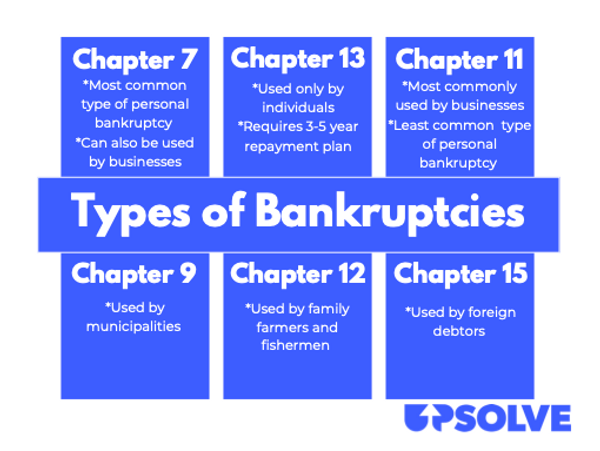
Concern and nondischargeable financial obligations, such as current income taxes, kid support, alimony, and the majority of student loans, stand in a separate category. These are typically not eliminated in Chapter 7, though the automated stay can pause some collection while the case is pending. In Chapter 13, these financial obligations are often paid in full through your strategy before unsecured creditors get anything.
At Hensel Law Workplace, PLLC, a comprehensive financial institution list is mapped to these categories so you see precisely which debts will be eliminated, which need to be paid, and which chapter handles them more effectively. Understanding for how long each chapter lasts and what life appears like during the case can decide feel less abstract.
How Credit Counseling Accelerates Your 2026 RecoveryQuickly after filing, the automatic stay generally stops garnishments, suits, and a lot of collection calls. You attend a conference of financial institutions, typically called the 341 conference, where the trustee asks concerns about your paperwork and financial resources. After that, you primarily await due dates to pass and for the court to provide a discharge, unless the trustee needs more information or is checking out non-exempt properties.
Total Bankruptcy Costs for 2026
You file the case, and the automatic stay goes into result, stopping garnishments, foreclosure sales, and most collection activity. You propose a payment plan, begin making regular monthly payments to the Chapter 13 trustee, and participate in a 341 meeting and, oftentimes, a verification hearing where the judge considers whether to approve the strategy.
Numerous Michigan filers are shocked by how structured however workable the daily reality can be when the strategy is realistic. In Chapter 7, your main responsibilities are to be truthful, offer documents, attend your meeting, and finish a required financial education course. In Chapter 13, the added responsibilities consist of sticking to a spending plan, making every plan payment on time, and reporting significant earnings changes.
As soon as you comprehend how each chapter works, the next step is lining that up with your objectives. One core tradeoff is speed versus structure. Chapter 7 relocations much faster and usually involves no long-lasting payment responsibilities, which interest Michigan renters and house owners who are existing on their home loans and have primarily unsecured financial obligations.

Latest Posts

Steps for Filing the Bankruptcy Claim in 2026
Serious Legal Impacts of 2026 Bankruptcy
Reviewing Chapter 7 and 13 Laws for 2026