All Categories
Featured

Restoring Your Credit After a 2026 Filing
That's you. If you are overwhelmed with debt, make certain you think about all debt relief alternatives and identify what's best for you.
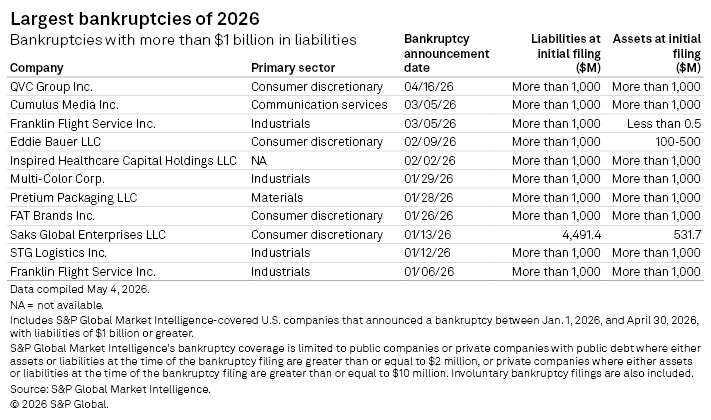
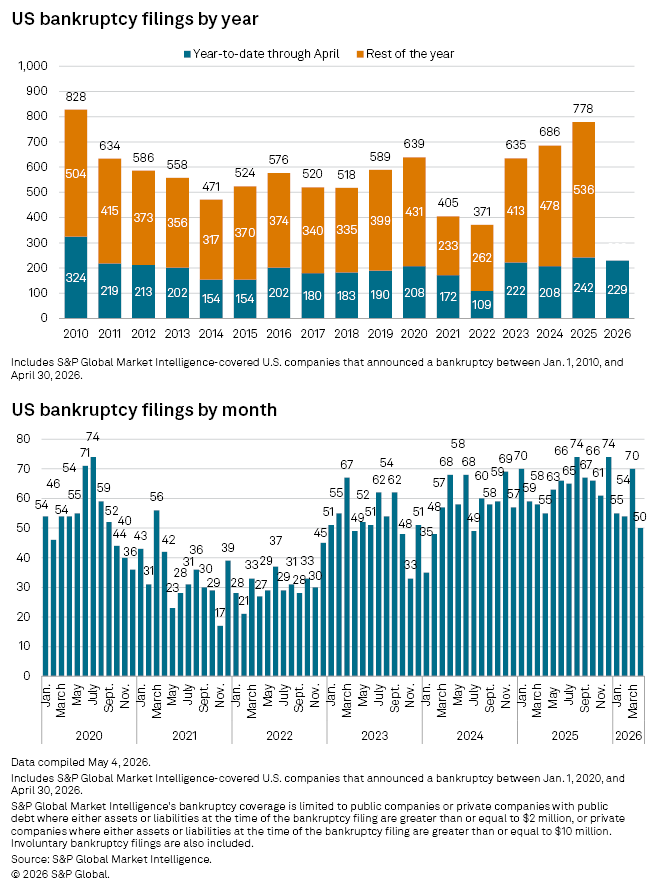
As we get in 2026, the bankruptcy landscape is prepared for to shift in methods that will substantially impact lenders this year. After years of post-pandemic unpredictability, filings are climbing gradually, and financial pressures continue to impact consumer behavior.
Critical Errors in Post-Petition Spending for North Carolina FilersFor a much deeper dive into all the commentary and concerns addressed, we suggest enjoying the full webinar. The most popular trend for 2026 is a sustained increase in insolvency filings. While filings have actually not reached pre-COVID levels, month-over-month development suggests we're on track to exceed them soon. Since September 30, 2025, bankruptcy filings increased by 10.6 percent compared to the previous calendar year.
Rebuilding Your Score After Bankruptcy
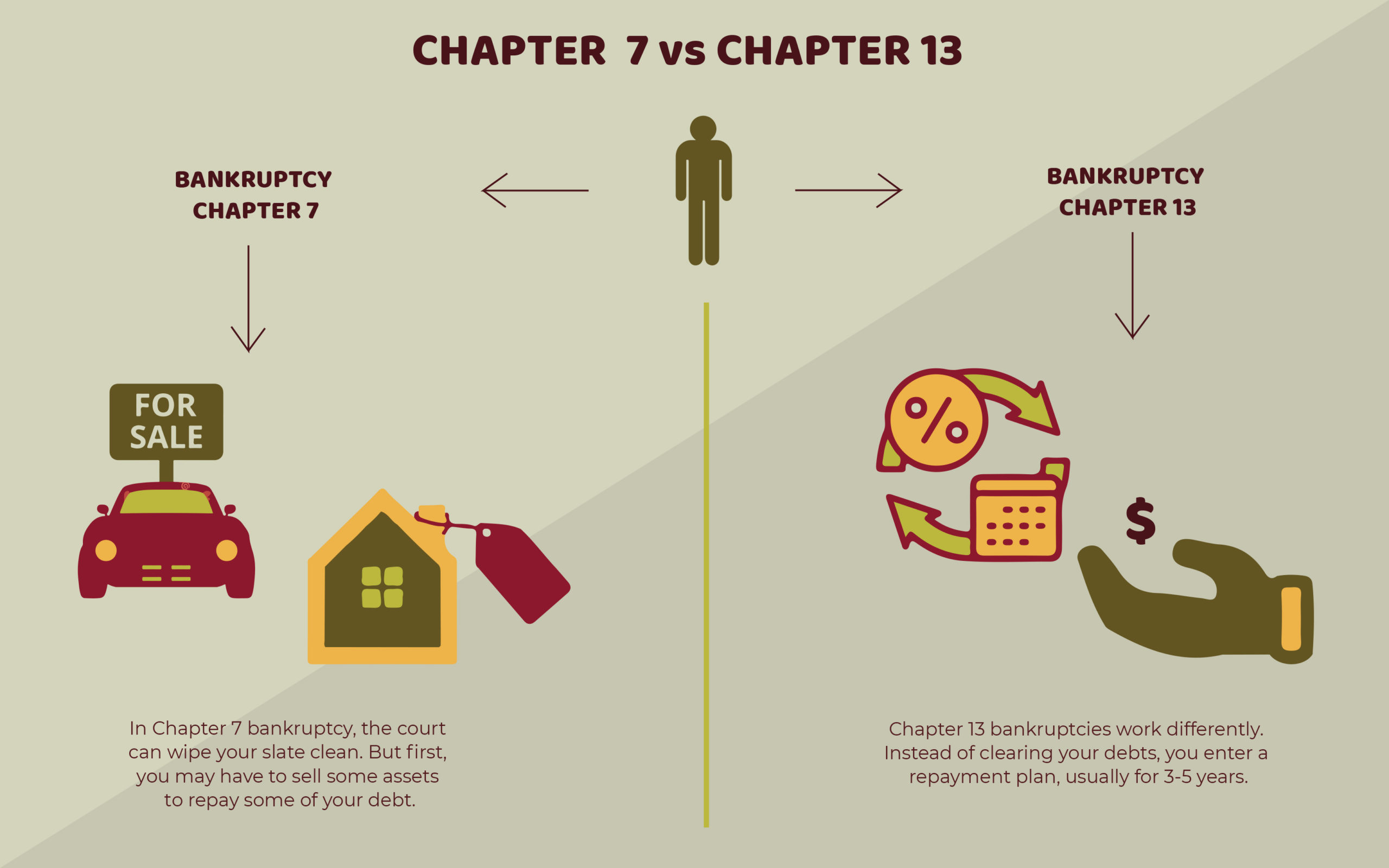
While chapter 13 filings continue to heighten, chapter 7 filings, the most common type of customer bankruptcy, are expected to control court dockets. This pattern is driven by customers' lack of non reusable earnings and installing monetary stress.
Indicators such as customers utilizing "purchase now, pay later" for groceries and giving up just recently purchased automobiles show financial tension. As a lender, you may see more repossessions and car surrenders in the coming months and year. You should likewise get ready for increased delinquency rates on car loans and home mortgages. It's likewise crucial to closely keep an eye on credit portfolios as debt levels stay high.
We anticipate that the real impact will strike in 2027, when these foreclosures relocate to conclusion and trigger insolvency filings. Rising real estate tax and house owners' insurance costs are already pressing newbie lawbreakers into monetary distress. How can creditors stay one action ahead of mortgage-related personal bankruptcy filings? Your team ought to finish a thorough review of foreclosure procedures, procedures and timelines.
In current years, credit reporting in bankruptcy cases has ended up being one of the most contentious subjects. If a debtor does not reaffirm a loan, you must not continue reporting the account as active.
Here are a couple of more best practices to follow: Stop reporting discharged financial obligations as active accounts. Resume regular reporting just after a reaffirmation contract is signed and filed.
A Guide to Legal Costs
These cases frequently produce procedural problems for financial institutions. They can even miss crucial court hearings. Once again, these problems include complexity to insolvency cases.
Some recent college graduates may manage responsibilities and resort to personal bankruptcy to manage general debt. The failure to perfect a lien within 30 days of loan origination can result in a financial institution being treated as unsecured in personal bankruptcy.
Consider protective measures such as UCC filings when delays take place. The insolvency landscape in 2026 will continue to be formed by financial unpredictability, regulatory scrutiny and evolving customer habits.
By expecting the trends pointed out above, you can reduce exposure and maintain functional durability in the year ahead. If you have any questions or issues about these forecasts or other insolvency subjects, please get in touch with our Insolvency Healing Group or contact Milos or Garry directly any time. This blog site is not a solicitation for organization, and it is not planned to make up legal guidance on particular matters, produce an attorney-client relationship or be legally binding in any way.

Latest Posts
Steps for Filing the Bankruptcy Claim in 2026
Serious Legal Impacts of 2026 Bankruptcy
Reviewing Chapter 7 and 13 Laws for 2026