All Categories
Featured

How to File Bankruptcy Claim in 2026
Table of Contents
The job of the trustee is to see that your lenders are paid as much as possible. This person will thoroughly examine your documentation, especially the possessions you have in your ownership and the exemptions you wish to claim, and can challenge any component of your case. Around a month after filing, the trustee will call a very first meeting of lenders, which the debtor should attend.
Analyzing Bankruptcy Attorney CostsLenders hardly ever attend a Chapter 7 personal bankruptcy conference; one or 2 financial institutions may attend a Chapter 13 meeting, especially if there is a question regarding the legitimacy of some element of the strategy. Objections are generally resolved by negotiation in between the debtor or the debtor's counsel and the creditor.
The meeting of creditors generally lasts about 5 minutes. You will receive notification of the place of the conference but you might get in touch with the court to validate the address and time. (see California Personal bankruptcy Court Directory) Most Chapter 7 filings involve no non-exempt properties, nevertheless, if you applied for Chapter 7 and do have non-exempt possessions, you will need to turn over non-exempt residential or commercial property (or its reasonable market value in cash) to the trustee after the meeting.
If the home isn't worth a good deal or would be tough to offer, the trustee may decide to abandon the home (and return it to you). Trustees and financial institutions have 60 days to challenge the debtor's right to a discharge. If there are no challenges, you will receive a notification from the court that your dischargeable financial obligations have actually been discharged within 3 to six months.
Essential Bankruptcy Support Strategies for 2026 Filers
If your plan is verified and you make great on it, the balance (if any) on the dischargeable financial obligations you owe will be removed at the end of your term.
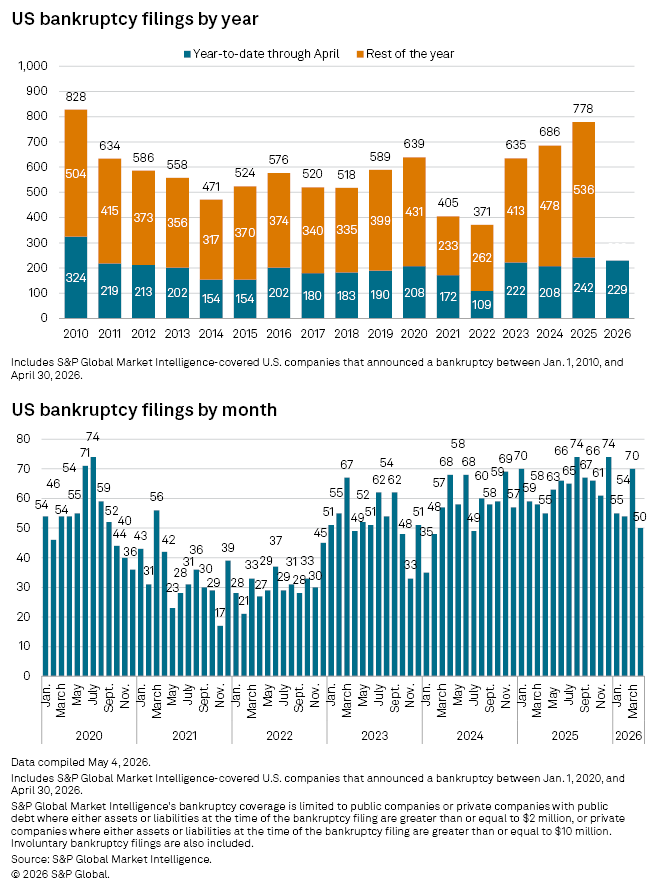
Service insolvency filings, which began to rise in 2024 and 2025, are anticipated to continue to trend upwards, at least through the early part of this year. Organization insolvency filings increased by almost 5% for the 12 months ending June 30, 2025, from the same period in 2024. Overall bankruptcy filings, consisting of individual, rose nearly 12% in the same time period.
Late 2025 rate of interest cuts and prospective changes to U.S. tariff policy might offer some relief to having a hard time business and allow them to deal with core issues and go back to health rather than declaring insolvency. The outlook for 2026 suggests that company bankruptcy risk will remain concentrated in sectors conscious rate of interest, consumer need, and worldwide trade characteristics.
Key Changes in the Federal Bankruptcy Environment
Brian DaviesManaging Partner, Capstone Partners Financial Advisory Provider Middle market business, generally defined as services with $10 million to $1 billion in yearly incomes, are facing a crossroads as 2026 approaches. In the middle of persistent macroeconomic pressures, including interest rates, tariffs, and maturity of pandemic-era debt, many are coming to grips with liquidity restraints and tactical pivots.

While volatility and a degree of unpredictability stand to be a trademark of 2026, here are some service insolvency trends that emerged in 2025 which can be anticipated to continue, a minimum of through the early part of the year. After several years of decrease, personal bankruptcy filings in the United States continued to climb up in 2025, signifying mounting financial stress for homes and organizations alike.
Courts. 1 Experts indicate a best storm of financial pressures that consist of consistent inflation and elevated rate of interest through the third quarter as key motorists behind this pattern. While filings remain well listed below the historic highs seen after the Great Economic crisis, the uptick highlights growing vulnerability in customer finances and mean wider challenges for the economy in the months ahead.
2026 Bankruptcy RegulationsHalt Salary Garnishment Using 2026 Bankruptcy Laws
However as stimulus funds ended and high rates of interest, inflation, and increasing financial obligation concerns took hold, filings started to rebound. Between 2023 and the very first half of 2025, an 11%17% annual increase in business insolvencies became the new normal. Industrial Chapter 11 filings increased almost 20% year-over-year in both Q1 2024 and March 2025, with 2024 seeing a 20% rise over 2023.
$100 million in assets) filing likewise increased 44% by mid-2025, and total business personal bankruptcies hit a 14-year peak in 2024, with 694 filings. Given That the Administrative Workplace of the U.S. Courts annual reporting is delivered on June 30 of each year, the main results for the second half of 2025 will not be available up until July 2026.
2 successive interest rate cuts late in 2025, as well as possible revisions to the U.S. tariff policy, might not be sufficient to reverse damage to having a hard time services, but it might offer some favorable relief for those that are hanging in the balance. 3, 4 While pockets of stability and development exist, many major industry groups within the U.S.

Latest Posts
Steps for Filing the Bankruptcy Claim in 2026
Serious Legal Impacts of 2026 Bankruptcy
Reviewing Chapter 7 and 13 Laws for 2026