All Categories
Featured


Guide to 2026 Bankruptcy Filing
Table of Contents
In filing a chapter 11, the debtor presents a strategy to financial institutions which, if accepted by the financial institutions and approved by the court, will allow the debtor to rearrange individual, financial or company affairs and once again become a financially efficient person or business.: Chapter 12 is created for "family farmers" or "family anglers" with "routine yearly income." It makes it possible for economically distressed family farmers and fishermen to propose and carry out a strategy to pay back all or part of their debts.
Generally, the strategy needs to offer for payments over three years unless the court approves a longer period "for cause.": A private with a routine income who is overcome by financial obligations, however believes such financial obligation can be paid back within a reasonable duration of time, may file under chapter 13 of the bankruptcy code.
If the court approves the plan, the debtor will be under the court's protection while paying back such financial obligations. More info relating to the distinction between chapters can be discovered in the Bankruptcy Basics Handbook.
Practical Tips for Navigating 2026 Bankruptcy ProcessesMany individuals in Michigan reach the point where they know they need relief, but they are stuck on one essential question: should they file Chapter 7 or Chapter 13? Choosing the wrong path can have genuine effects for a home, a vehicle, and an income.
New Legal Requirements for 2026 Bankruptcy
You would like to know what these chapters would in fact do to your debts, your credit, and your day-to-day life. You might have heard friends, coworkers, or even other lawyers provide strong viewpoints about one chapter or the other, typically without any reference of Michigan exemptions, local trustees, or how your precise mix of financial obligations will drive the choice.
Both chapters come from federal law, but they do not play out the exact same way for every filer. Hensel Law Office, PLLC frequently deals with Michigan residents to compare both chapters side by side using genuine numbers, not generic checklists, and this post will show you how that analysis works and how to prepare for it.
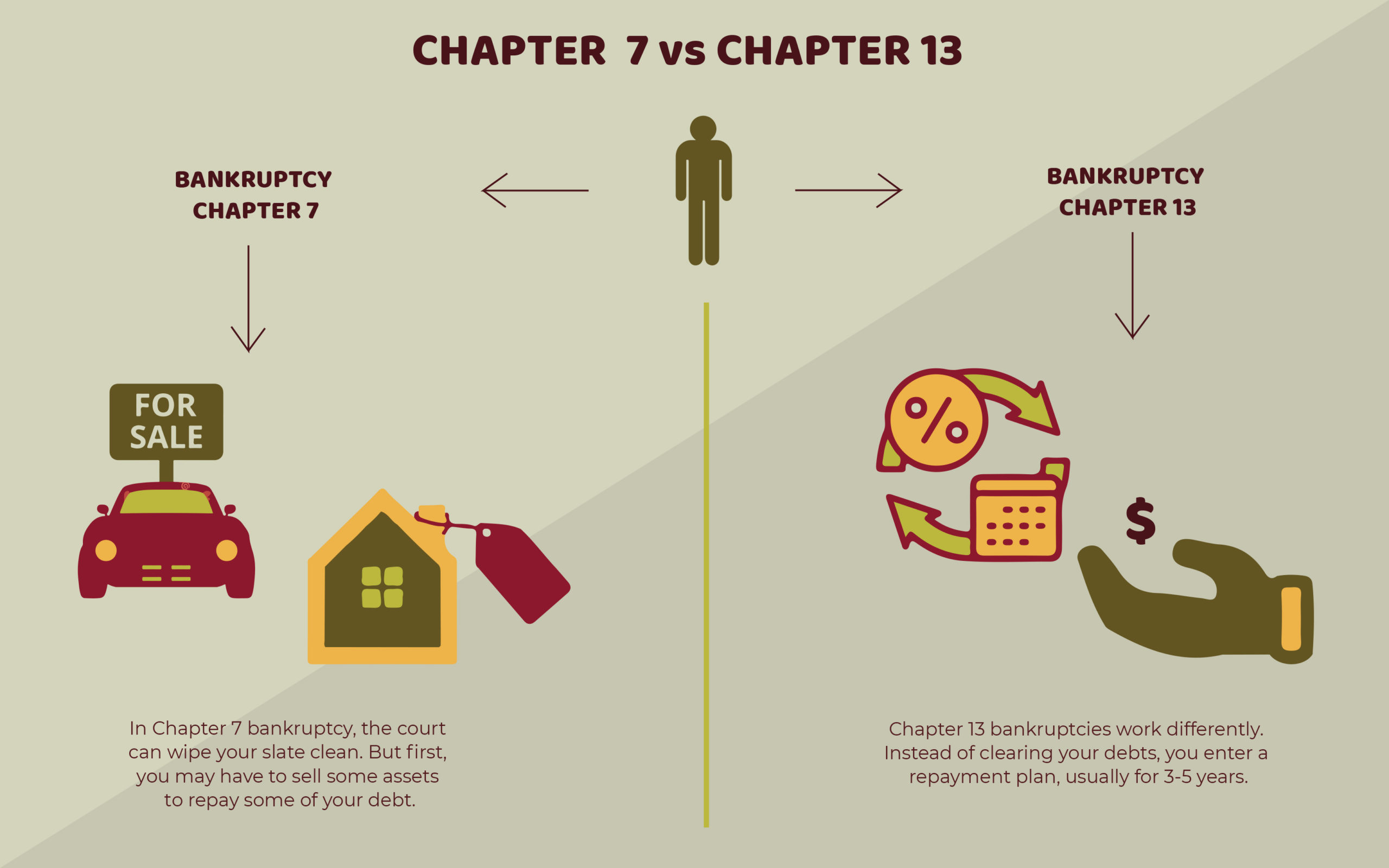
When you submit Chapter 7 in Michigan, an insolvency estate is created that briefly includes your non-exempt residential or commercial property, and a trustee is appointed to examine your properties, income, and current monetary history. In many Michigan cases, exemptions cover everything the person owns, so the trustee does not offer anything, however that depends upon your equity levels and the exemptions you use.Chapter 13 is different.
A Guide to 2026 Bankruptcy Support
Rather of concentrating on selling non-exempt possessions, Chapter 13 centers on your future income. You propose a regular monthly payment that fits your spending plan and that meets legal tests for paying secured, priority, and unsecured financial obligations. At the end of a successful strategy, remaining qualifying unsecured financial obligations are released, just like in Chapter 7. Both chapters are filed in the U.S.
However, Michigan-specific exemption rules, regional trustee practices, and common regional financial obligation patterns alter how risky Chapter 7 is for your home and how realistic Chapter 13 payments are for your household. Due To The Fact That Hensel Law Workplace, PLLC handles both Chapter 7 and 13 cases in Michigan, the objective is not to push everyone into one chapter, but to match the chapter to the filer's real circumstance.
The means test compares your home income to the average income level for a family of your size in Michigan and after that changes for certain allowed expenditures. If your income is below the mean, you generally pass the means test. If it is above, a more in-depth computation of enabled costs and financial obligations identifies whether a Chapter 7 filing would be presumed abusive.
You must have a regular earnings, and your overall protected and unsecured financial obligations need to be within limitations set by federal law. Individuals typically wind up in Chapter 13 because their earnings is too high to conveniently pass the Chapter 7 indicates test, because they filed a previous Chapter 7 too recently, or since they are behind on a home mortgage or automobile loan and require a structured way to capture up.
A Guide to 2026 Chapter 13 Support
In Michigan, home structure matters. A married individual whose partner is not submitting may still require to consist of some or all of the spouse's income in the ways test, and that can affect whether Chapter 7 is readily available. It is likewise common for somebody to technically get approved for both chapters from an earnings perspective, yet discover that their possessions or financial obligation mix make one option clearly more secure.

Latest Posts

Steps for Filing the Bankruptcy Claim in 2026
Serious Legal Impacts of 2026 Bankruptcy
Reviewing Chapter 7 and 13 Laws for 2026