All Categories
Featured


Expert Bankruptcy Support Strategies for 2026 Debtors
Table of Contents
That's you. If you are overwhelmed with debt, make certain you think about all debt relief alternatives and determine what's finest for you.
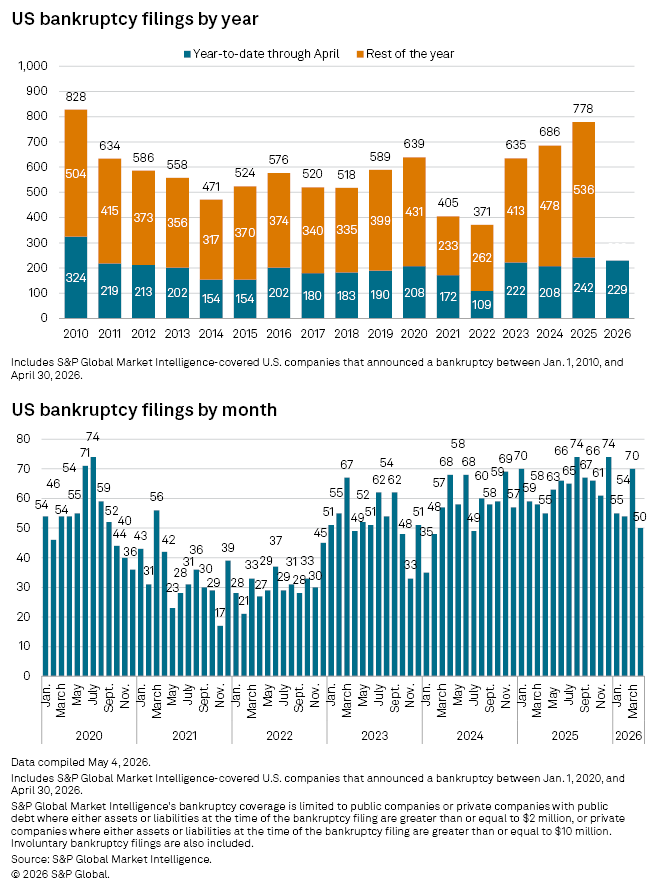
By: Michael L. Moskowitz New information released by Epiq AACER validates that personal bankruptcy filings continue to rise throughout both the commercial and customer sectors, highlighting the significance for financial institutions to stay alert in securing their rights. During the very first half of 2026, subchapter V chapter 11 filings increased by 50% over the very same duration in 2025, climbing from 1,107 to 1,663 filings.
Commercial bankruptcy filings rose 13%, while chapter 11 filings increased 28%, reflecting ongoing financial pressures on businesses from greater borrowing costs, increased operating expenditures, and ongoing economic uncertainty. For creditors, these trends underscore the growing possibility of customers, customers, tenants, and organization partners seeking insolvency protection.
Insolvency proceedings move rapidly, and financial institutions that fail to respond quickly may lose important rights. Whether the case includes a Chapter 11 reorganization, a Subchapter V case, or a Chapter 7 liquidation, understanding the appropriate due dates, asserting claims, evaluating preference and deceptive transfer concerns, and keeping an eye on the debtor's proposed strategy are all important to securing a financial institution's interests.
Pro Tips for Managing 2026 Bankruptcy Systems
Subchapter V elections increased 28% compared to June 2025, while industrial chapter 11 filings increased 29%, recommending that financial distress amongst businesses stays raised. As insolvency filings continue to increase, lenders must evaluate their credit practices, display economically vulnerable counterparties, and seek legal guidance without delay when a consumer or customer apply for insolvency.
How to File Bankruptcy Claim in 2026
A (Lock Locked padlock icon) or suggests you've securely linked to the.gov website. Share delicate information just on official, safe and secure sites.
The 2005 Insolvency Act requires all individual debtors who submit personal bankruptcy on or after October 17, 2005, to undergo credit therapy within six months before applying for personal bankruptcy relief and to complete a monetary management training course after submitting bankruptcy. Under the 2005 Bankruptcy Act your income and expenditures will be evaluated to figure out if you certify to submit a Chapter 7 or if you should file Chapter 13.
If the earnings is listed below the average, then you may choose Chapter 7. If your earnings goes beyond the median, the staying parts of the means test will be used to figure out if you can submit Chapter 7 or if you must submit Chapter 13. (See California Method Test)To begin the insolvency procedure you need to itemize your existing income sources; major financial deals for the last two years; month-to-month living costs; debts (protected and unsecured); and home (all assets and possessions, not simply realty).
Complete Checklist to 2026 Bankruptcy Protocols
As soon as you have collected this details, either on your own or with the assistance of a lawyer, you should then identify which home you believe is exempt from seizure based on the California exemptions. To actually submit, either you or your attorney, will require to file a two-page petition and numerous other forms at your California district bankruptcy court.
If your financial institutions or the judge feel or learn that you have actually not been completely upcoming in your insolvency filing, it could jeopardize the outcome of your petition. The cost for filing a Chapter 7 personal bankruptcy is $306. This cost may not be waived but you might be able to pay it in installations.
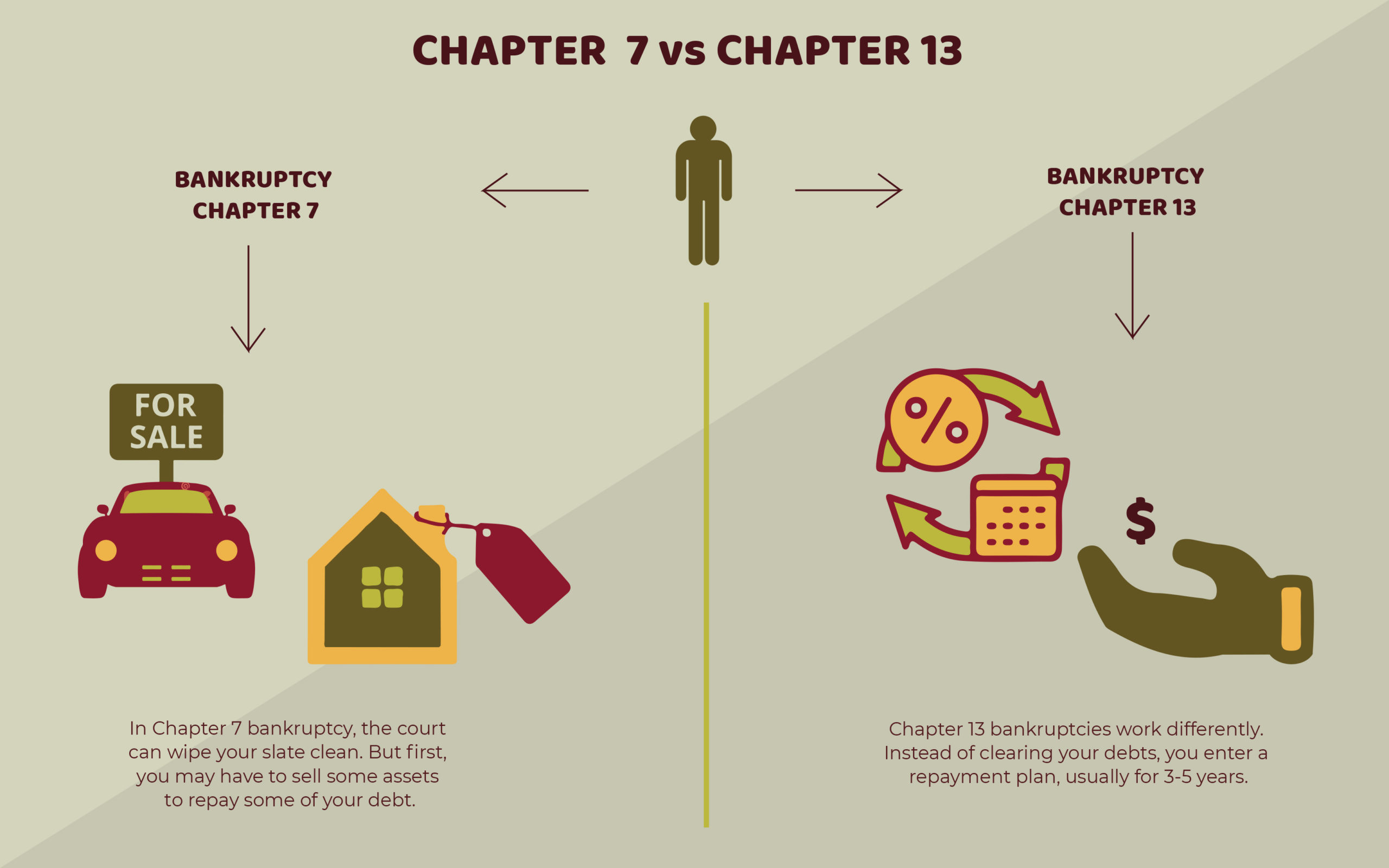
If you are filing a Chapter 13 insolvency, a proposed repayment plan must also be sent. After sensible monthly expenses have been paid, how much money will you have left over to put towards your outstanding bills? And how will this cash be divvied up amongst those you owe? Concern claims (such as taxes and back kid support) must be paid completely; unsecured financial obligations (like charge card debt and medical expenses) are generally paid in part.
In addition to the basic requirements noted above, the payment strategy need to pass each of the following three tests:1) It should be delivered in great faith. 2) Unsecured creditors need to be paid a minimum of as much as if a Chapter 7 bankruptcy had actually been filed. Typically, this is the value of all the nonexempt residential or commercial property you own (see California insolvency exemptions).3) All non reusable earnings should be paid into the strategy for a minimum of 3 years (you might consume to five years in order to meet the 2nd test that you pay at least as much as in a Chapter 7). If you have filed Chapter 13, you must start making your strategy payments.

Latest Posts
Steps for Filing the Bankruptcy Claim in 2026
Serious Legal Impacts of 2026 Bankruptcy
Reviewing Chapter 7 and 13 Laws for 2026