All Categories
Featured

That's you. If you are overwhelmed with debt, make certain you think about all financial obligation relief options and determine what's best for you.
As we get in 2026, the bankruptcy landscape is expected to move in methods that will considerably affect lenders this year. After years of post-pandemic uncertainty, filings are climbing progressively, and economic pressures continue to affect consumer habits. During a current Ask a Pro webinar, our professionals, Investor Milos Gvozdenovic and Attorney Garry Masterson, weighed in on what loan providers ought to expect in the coming year.
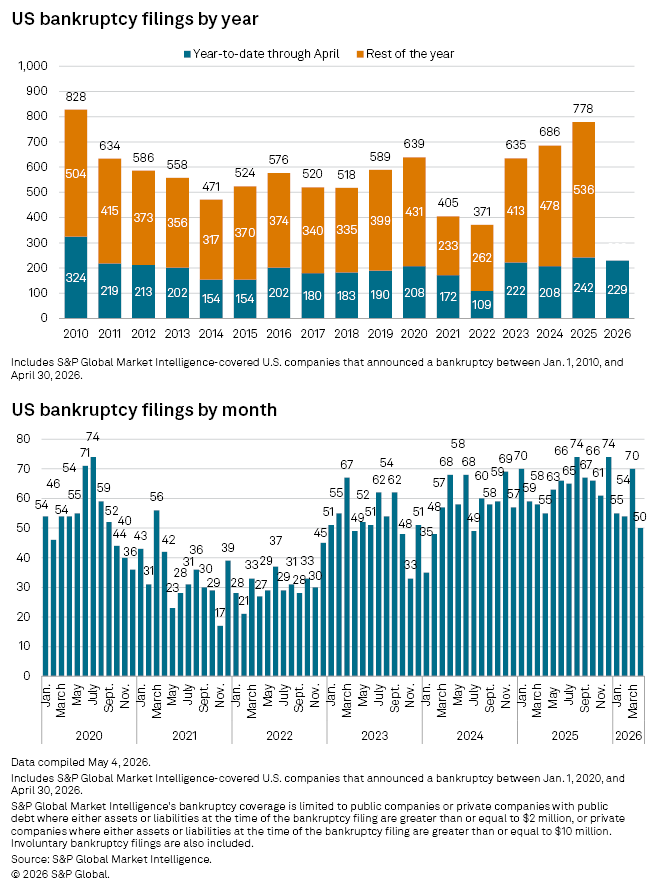
Strategies for Cutting Lawyer Fees in 2026The most popular pattern for 2026 is a continual increase in personal bankruptcy filings. While filings have not reached pre-COVID levels, month-over-month development recommends we're on track to surpass them quickly.
How to Commence Insolvency in 2026
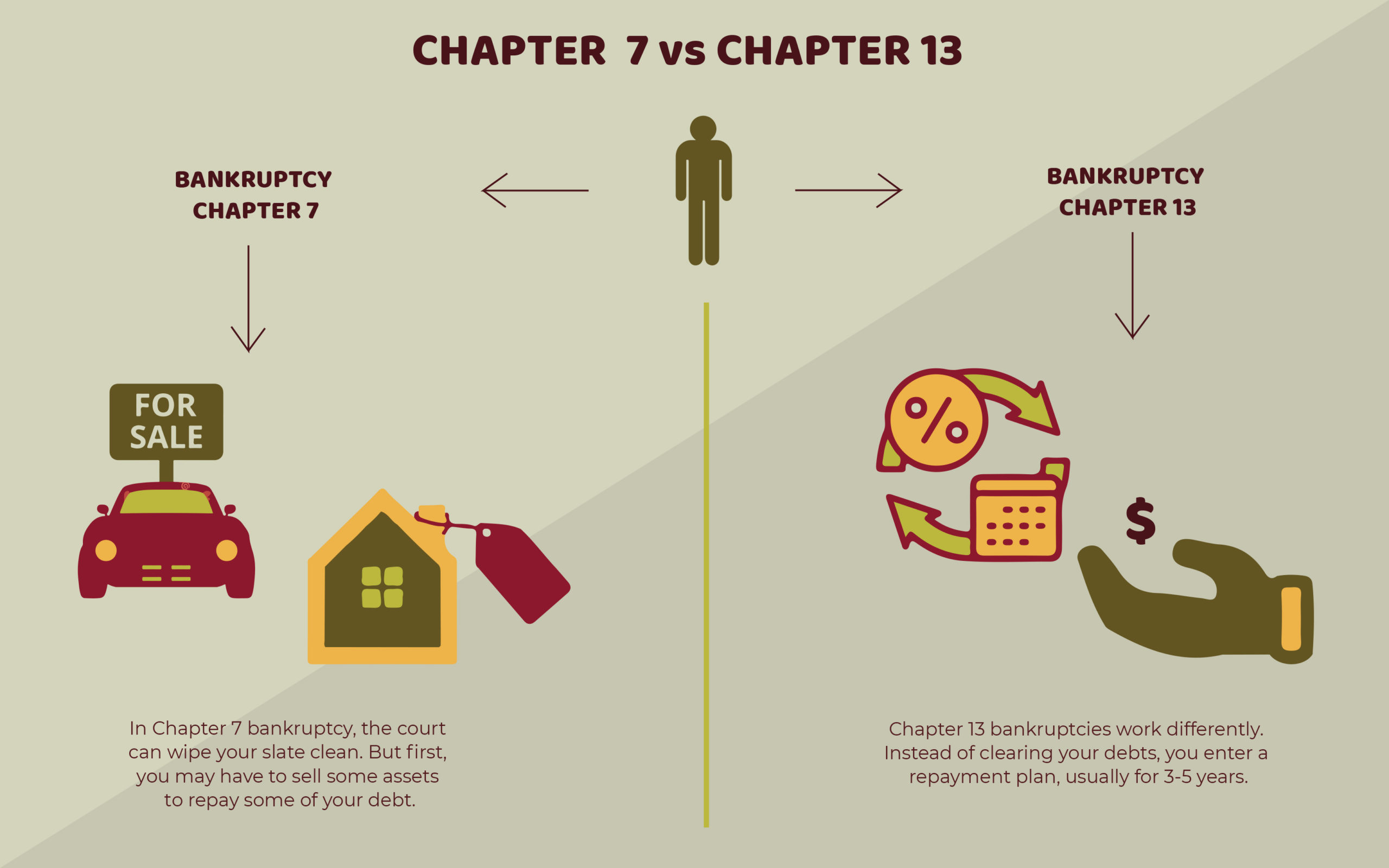
While chapter 13 filings continue to heighten, chapter 7 filings, the most common type of consumer insolvency, are anticipated to dominate court dockets. This pattern is driven by customers' lack of disposable income and mounting financial stress.
You must likewise prepare for increased delinquency rates on car loans and mortgages. It's also essential to closely monitor credit portfolios as debt levels stay high.
We predict that the real effect will hit in 2027, when these foreclosures move to conclusion and trigger personal bankruptcy filings. Increasing real estate tax and house owners' insurance coverage expenses are already pushing first-time lawbreakers into monetary distress. How can lenders stay one step ahead of mortgage-related bankruptcy filings? Your group needs to finish a thorough review of foreclosure procedures, protocols and timelines.
Deciding Between Liquidating and Reorganizing FilingsLots of upcoming defaults might emerge from previously strong credit sectors. Over the last few years, credit reporting in personal bankruptcy cases has become one of the most controversial topics. This year will be no various. But it is essential that creditors persevere. If a debtor does not declare a loan, you must not continue reporting the account as active.
Here are a few more best practices to follow: Stop reporting discharged debts as active accounts. Resume normal reporting just after a reaffirmation agreement is signed and submitted.

Key Advice for Bankruptcy
Another trend to watch is the boost in pro se filingscases submitted without lawyer representation. Unfortunately, these cases frequently produce procedural problems for creditors. Some debtors may fail to precisely disclose their possessions, income and expenses. They can even miss essential court hearings. Once again, these issues add intricacy to insolvency cases.
Some current college grads may juggle commitments and turn to personal bankruptcy to handle total debt. The takeaway: Creditors ought to get ready for more complicated case management and consider proactive outreach to debtors facing significant financial strain. Finally, lien perfection remains a major compliance threat. The failure to perfect a lien within 1 month of loan origination can lead to a lender being treated as unsecured in insolvency.
Consider protective steps such as UCC filings when hold-ups occur. The personal bankruptcy landscape in 2026 will continue to be formed by financial uncertainty, regulatory scrutiny and evolving consumer behavior.
By expecting the patterns discussed above, you can alleviate exposure and keep operational durability in the year ahead. If you have any concerns or issues about these predictions or other insolvency subjects, please connect with our Insolvency Healing Group or contact Milos or Garry straight whenever. This blog is not a solicitation for service, and it is not meant to constitute legal advice on particular matters, create an attorney-client relationship or be legally binding in any way.

Latest Posts
Steps for Filing the Bankruptcy Claim in 2026
Serious Legal Impacts of 2026 Bankruptcy
Reviewing Chapter 7 and 13 Laws for 2026