All Categories
Featured


2026 Debt Relief and Bankruptcy
Table of Contents
New Rule 8006(g) will clarify that any party to an appeal may file a request that a court of appeals authorize a direct appeal. 26 U.S.C. 108(a) supplies that certain forgiveness on a mortgage is ruled out income for earnings tax purposes, but the Qualified Principal Residence Indebtedness Exemption from Income expired at the end of 2025.
Other exclusions from taxability of forgiven debt may use, this exemption no longer applies. The American Rescue Strategy Act temporarily removed federal earnings tax effects for all federal trainee loan discharges and cancellations that occurred between January 1, 2021, and December 31, 2025. See. This exemption has not been extended, and the quantities released or cancelled from federal trainee loans starting on January 1, 2026, may count towards taxable earnings unless another exclusion uses.

This exemption does not apply to home-secured credit or student loans. On January 1, the adjusted overall loan quantity limit for high-cost home loans increases from $26,968 to $27,592, and the adjusted points and charges dollar trigger for high-cost mortgages increases from $1,348 to $1,380.
15, 2025). See also. To identify whether a covered transaction is a competent mortgage (QM), the overall points and costs charged might not go beyond the threshold set for the size of the loan. Reliable January 1, 2026, these limits increase. For QMs under the basic QM loan definition in 12 C.F.R.
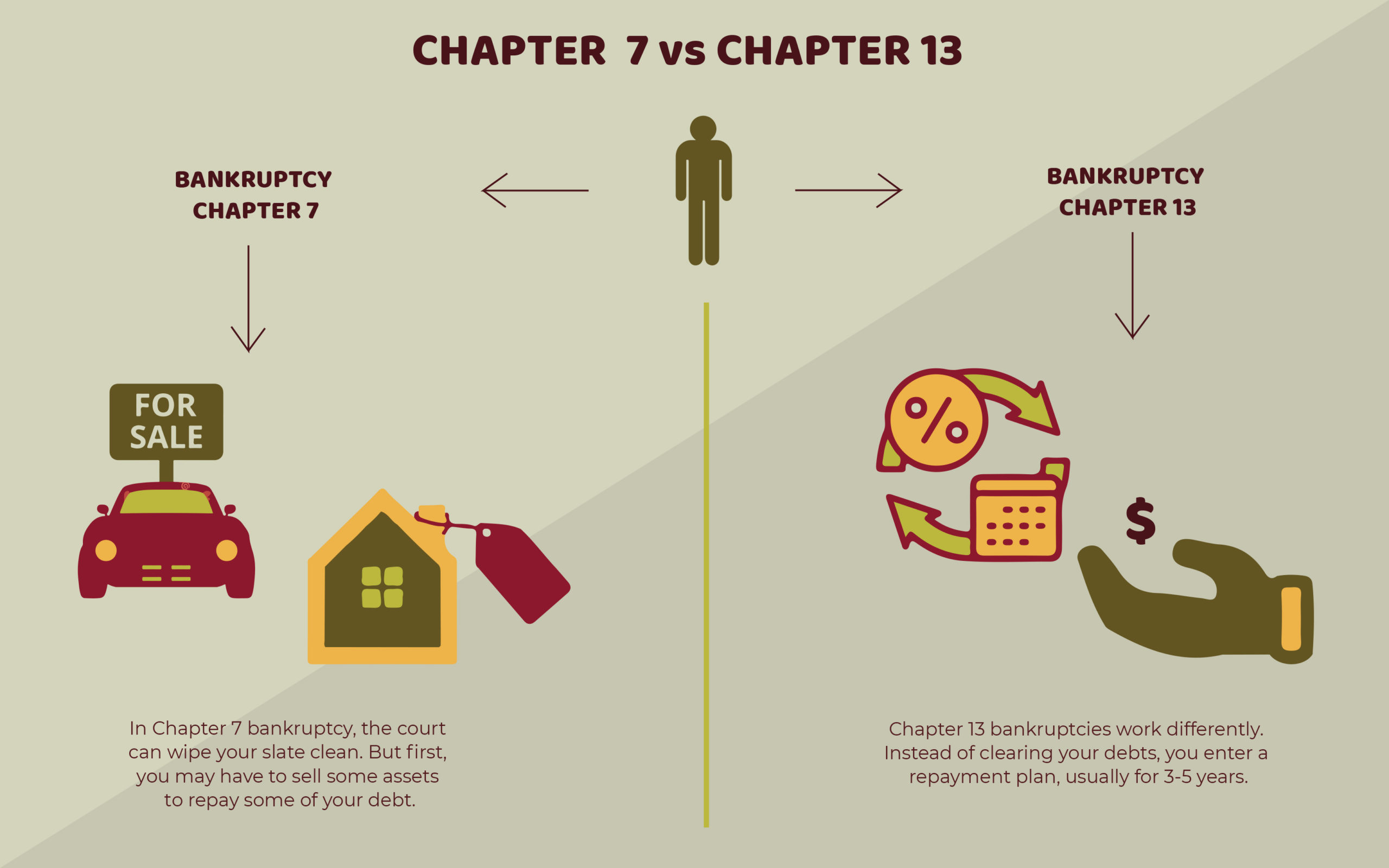
A Guide to Legal CostsChapter 7 and Chapter 13 Options
For all categories of QMs, the thresholds for overall points and charges in 2026 will be 3% of the overall loan amount for a loan higher than or equal to $137,958; $4,139 for a loan quantity greater than or equivalent to $82,775 but less than $137,958; 5% of the total loan quantity for a loan higher than or equivalent to $27,592 but less than $82,775; $1,380 for a loan quantity greater than or equal to $17,245 but less than $27,592; and 8% of the overall loan quantity for a loan amount less than $17,245.
15, 2025). Reliable January 1, the exemption threshold for unique appraisal requirements for "higher-risk home loans" increases from $33,500 to $34,200. See (Dec. 16, 2025).
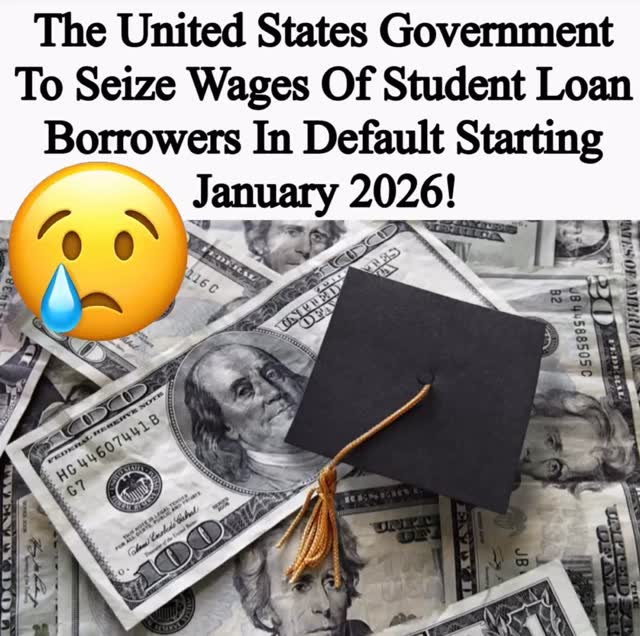
Is Chapter 7 the Relief in 2026?
See (Dec. 15, 2025). Effective January 1, 2026, lenders with assets under $2.785 billion (previously $2.717 billion) do not have to establish escrow accounts and do not have to comply with the prohibition on balloon payments for particular higher-priced home mortgage loans.
7, 2026). Reliable January 1, 2026, banks, cost savings associations, and credit unions with properties of $59 million or less as of Dec. 31, 2025, are exempt from gathering information in 2025 (the old threshold was $58 million). (Jan. 7, 2026). The CRA property limits for certain exemptions are increased as of January 1, 2026, so that "little bank"suggests a bank that, since December 31 of either of the previous two fiscal year, had properties of less than $1.649 billion.
See (Jan. 7, 2026). Efficient January 1, 2026, the optimum charge to a customer under the FCRA for file disclosure is $16.00, up from $15.50. (Dec. 15, 2025). Consumers are also entitled to specific free disclosures, including free weekly file disclosures from Equifax, Experian, and TransUnion. See. On January 1, 2026, the Customer Leasing Act exemption for customer leases going beyond an overall contractual commitment amount is increased from $71,900 to $73,400.
FHA has actually announced new loan limitations for 2026. For HECM reverse home mortgages the optimum claim amount increases on January 1 to $1,249,125. Theconforming loan limits for 2026 for Fannie Mae and Freddie Mac mortgages.
In most of the United States, the 2026 value for 1-unit properties will be $832,750. For areas in which 115% of the regional average home worth goes beyond the baseline conforming loan limitation value, the appropriate loan limitation for 1-unit residential or commercial properties will be $1,249,125. Arizona has a new litigation financing statute,, reliable January 1 2026.
Is Chapter 7 the Relief in 2026?
requires self-storage rental contracts initially entered into on or after January 1, 2026, to disclose, in a prescribed way, whether the rental fee is marked down or marketing, whether the rental cost undergoes alter, and the maximum rental charge that the owner might charge during the first 12 months following the date of the rental contract.

Latest Posts

Steps for Filing the Bankruptcy Claim in 2026
Serious Legal Impacts of 2026 Bankruptcy
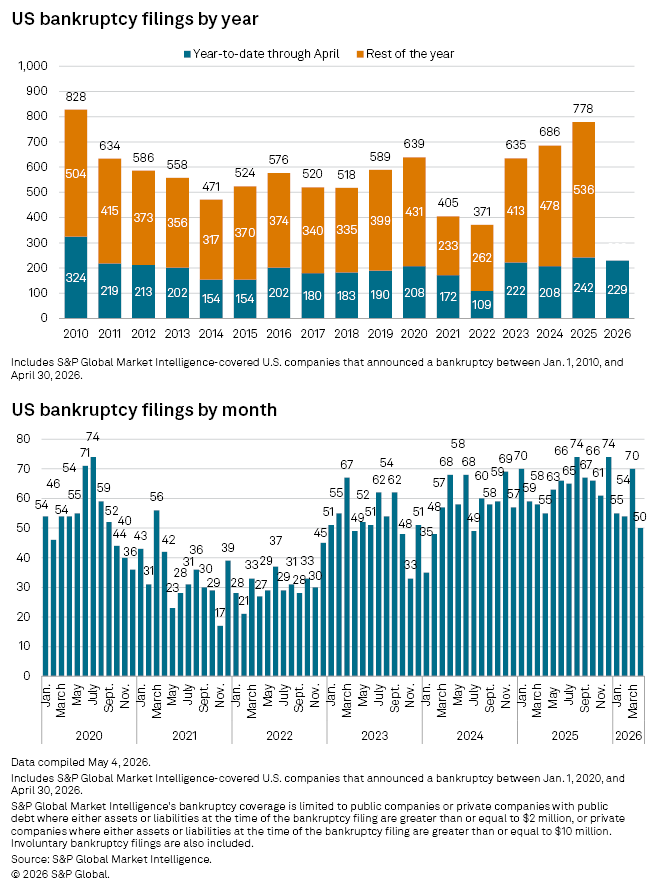
Reviewing Chapter 7 and 13 Laws for 2026